San Francisco still sets the benchmark for queer visibility in the U.S., but the better answer depends on what you want from the trip: history, nightlife, Pride scale, or a place where LGBTQ+ life is woven into everyday neighbourhoods. I treat the question as a comparison problem, not a trivia contest, because the phrase gayest city in America is more about cultural visibility than a measurable crown. For 2026, San Francisco is still the clearest starting point, but it is not the only city that deserves a serious look.
The shortest useful answer is San Francisco, but the right choice depends on what you value
- San Francisco is still the city most people mean when they talk about America’s most LGBTQ+ associated destination.
- The strongest case comes from a mix of history, visible queer neighbourhoods, and year-round community life.
- West Hollywood is the most concentrated nightlife answer.
- Palm Springs and Provincetown win on resort-style queer atmosphere.
- New York City has the scale, but it spreads queer life across many districts rather than one iconic centre.
The short answer is San Francisco, but the label is not scientific
There is no official government crown for the “gayest” city, so the best answer depends on which metric you care about. If you mean population share, historic influence, visible institutions, and the amount of queer life that feels built into the city rather than added on top, San Francisco is the strongest all-rounder. The Williams Institute has ranked the San Francisco-Oakland-Berkeley metro area highest among large U.S. metros by LGBT adult share, which helps explain why the city keeps winning this conversation.
That said, I would not confuse visibility with sameness. A city can be famous for queer culture without being the best fit for every traveller, and that distinction matters if you are planning a Pride trip, a first visit, or a long weekend around nightlife. The useful question is not only which city has the strongest reputation, but which one gives you the kind of queer experience you actually want. That is where the comparisons get useful.
Why San Francisco still carries the strongest queer reputation
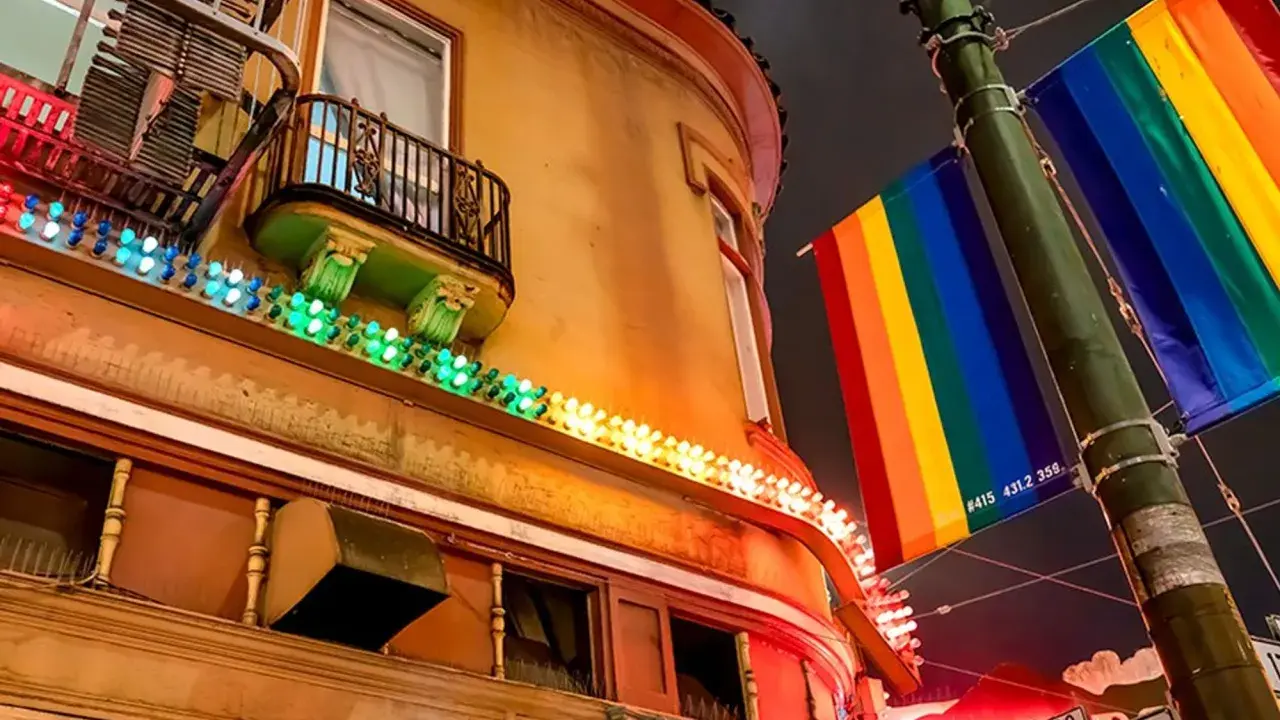
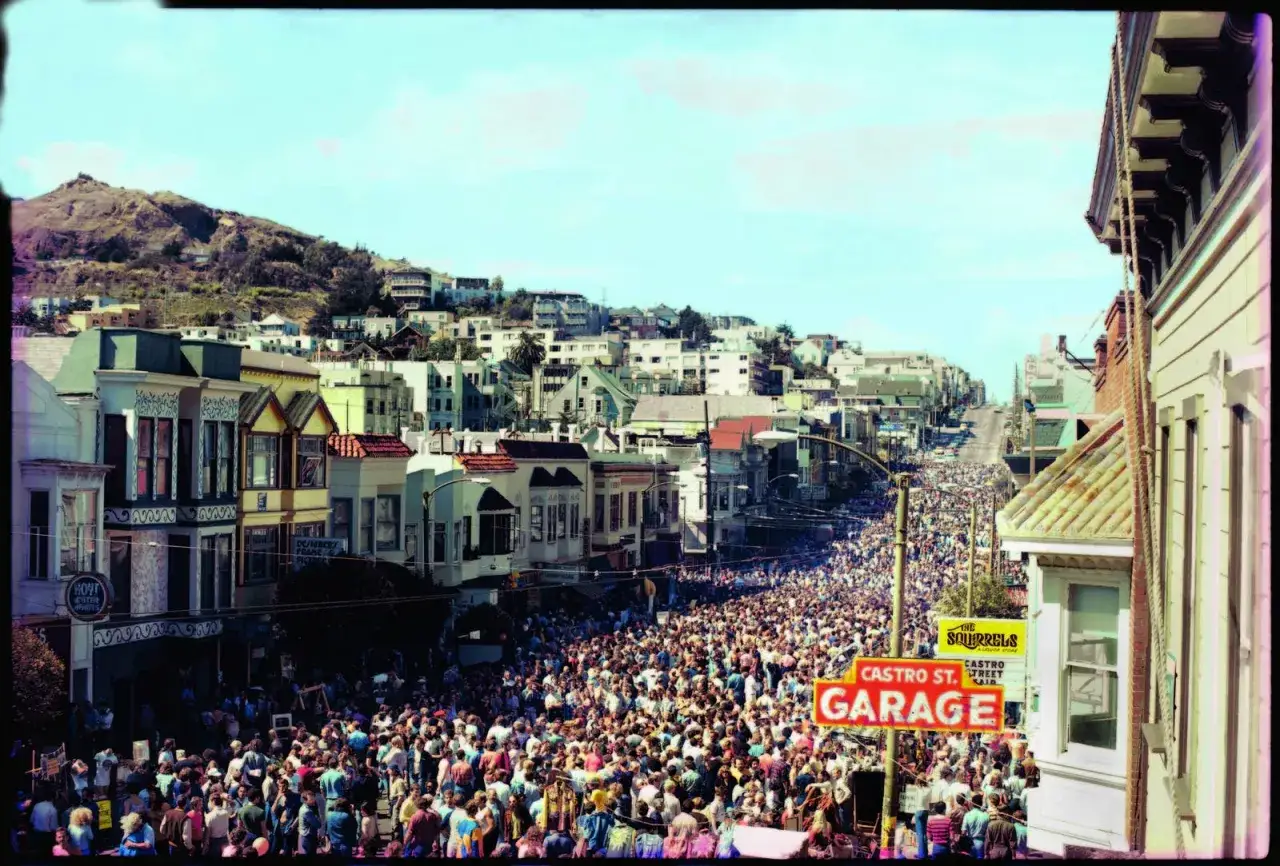
San Francisco’s reputation did not appear by accident. It grew from political history, visible neighbourhoods like the Castro, long-standing activism, and a city culture that made LGBTQ+ life highly public rather than hidden. That matters because reputation is strongest when it is backed by infrastructure: bars, community centres, Pride events, queer-owned businesses, and public symbols that tell visitors they are in a place with memory, not just marketing.
San Francisco Travel still frames the city as the gay capital of the USA, and for once the branding is not wildly exaggerated. The city’s queer story is layered: it is about nightlife, but also about organising, mourning, surviving, and building institutions that stayed standing after the rest of the country moved on. That is why the city feels less like a theme and more like a living civic identity.
For travellers, the practical advantage is simple. You can walk through neighbourhoods where queer history is visible in the streets, not only in museum captions. You can spend a day on politics, a night in a bar, and a morning in a café that feels openly part of the same ecosystem. Once you see that distinction, the wider field makes more sense.
How other contenders differ when the metric changes
If San Francisco is the safest default answer, the cities below are the ones I would compare against it depending on the mood of the trip. This is where a vague label becomes a useful travel decision.
| City | Why it competes | Best for | Main limitation |
|---|---|---|---|
| West Hollywood | A compact LGBTQ+ core with dense nightlife, Pride programming, and a very visible street-level queer identity. | Short, high-energy trips where you want the scene concentrated in one place. | Smaller footprint than the big coastal cities, so it can feel narrow if you want more than bars and events. |
| New York City | Huge scale, multiple queer neighbourhoods, major institutions, and a constantly changing scene. | Travellers who want culture, nightlife, history, and endless choice. | The scene is spread out, so it feels less like one gay city and more like many queer pockets inside a giant metropolis. |
| Palm Springs | A resort-style desert city with pools, boutique hotels, and a long queer holiday culture. | Relaxed escapes, winter sun, and a more leisurely social rhythm. | It is not the best fit if you want a classic urban experience. |
| Provincetown | A small coastal destination that feels intensely queer, especially during theme weeks and summer events. | Beach trips, community-heavy weekends, and a place where almost the whole town feels part of the scene. | Seasonality matters, and peak periods can be crowded and expensive. |
| Chicago | A strong, balanced urban LGBTQ+ scene with a recognisable neighbourhood identity and good travel value compared with the coastal giants. | Visitors who want a major city without the same level of coast-city pricing. | It is less internationally branded as “the” queer capital, even though the scene is substantial. |
This is why I resist turning the question into a simple ranking. A city can be the most associated with LGBTQ+ culture and still not be the best destination for a specific kind of trip. If you want pure visibility, San Francisco still leads; if you want a tighter nightlife package, West Hollywood often feels more immediate. That trade-off is exactly what the next section should help you sort out.
What matters more than the label when you are choosing a trip
When I choose a queer travel destination, I look at four things before I look at the reputation: how concentrated the scene is, how expensive the stay will be, whether the city feels welcoming beyond the obvious neighbourhoods, and whether the timing works for the kind of trip I want. That approach saves you from booking the “right” city for the wrong reason.
- Choose by density. If you want to spend one weekend immersed in queer life without doing much planning, West Hollywood and parts of San Francisco are stronger than a sprawling city with scattered venues.
- Choose by season. Palm Springs and Provincetown are excellent when the weather and event calendar line up, but they are not equally rewarding year-round.
- Choose by budget. San Francisco and New York can both get expensive fast, especially when major events push rates up. Booking late is usually a bad idea.
- Choose by pace. If you want museums, food, neighbourhoods, and nightlife all in one trip, New York makes sense. If you want a more focused queer escape, go smaller.
- Choose by comfort level. Some travellers want a visibly queer city centre; others want a broader city where LGBTQ+ life is present but not the only story. Those are different experiences, and both are valid.
For UK travellers, this matters even more because a transatlantic trip is rarely something you do casually. You want the city to earn the flight time, and that usually means picking a base with enough density to justify at least a few nights. A good queer trip is less about ticking off the most famous name and more about making sure the neighbourhood you stay in can carry the whole experience. That leads directly to the most practical part of the answer.
The smartest way to use the ranking when planning a Pride trip
If I had to answer in one sentence, I would say San Francisco is still the most defensible answer for the city most associated with LGBTQ+ life in America. If I had to answer like a traveller, I would add that the best choice depends on whether you want history, nightlife, a resort mood, or a city that feels queer at every scale rather than in one famous district.
My rule of thumb is simple: pick San Francisco for the strongest all-round identity, West Hollywood for concentrated energy, New York for breadth, Palm Springs for a slower escape, and Provincetown for a tiny place with oversized queer presence. That is the most practical way to handle the gayest city in America label. It turns a vague phrase into a trip you can actually enjoy.
If you are planning for 2026, I would start with the kind of atmosphere you want, then book around that instead of chasing a headline. The right city is the one that feels openly queer the moment you arrive, and the best trips are the ones that match the destination to your own pace rather than forcing a single city to do every job.